
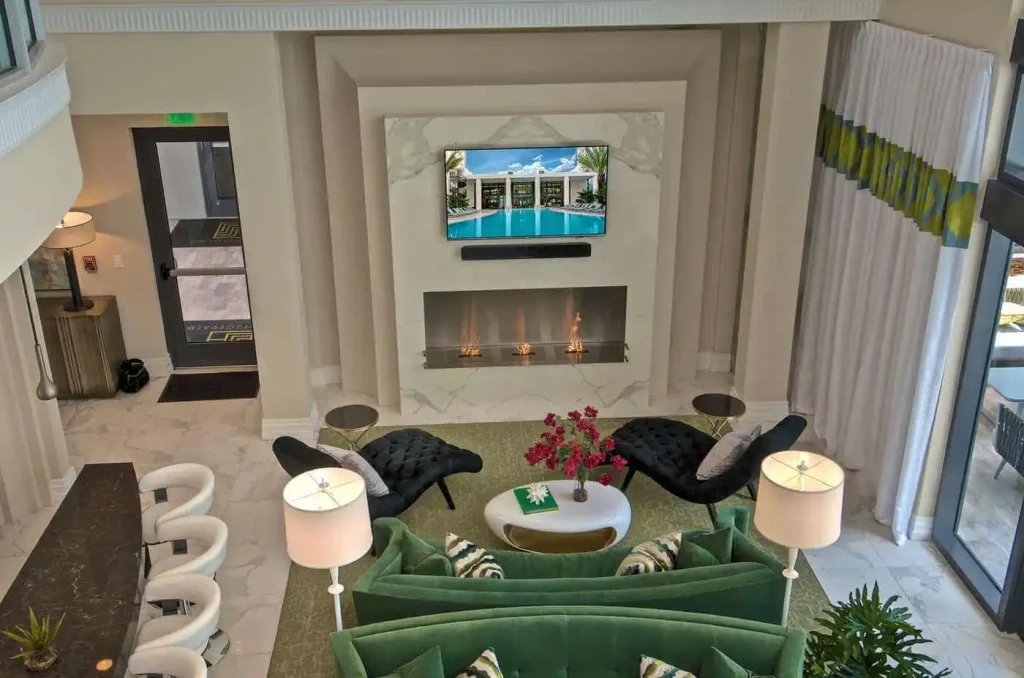
In today’s fast-paced world, technology is constantly evolving, and the audio industry is no exception. From soundbars to surround sound setups, the choices can be daunting for those new to the scene. But fear not, a good home audio system can transform your living space into a cinematic paradise.
Navigating the realm of home audio systems requires a basic understanding of components, features, and setups. Whether you’re a music enthusiast, movie buff, or simply looking to elevate your overall listening experience, having the right audio system in place is crucial. This guide will walk you through the essentials of home audio systems, helping you make informed decisions on your journey to creating the ultimate audio setup at home.
What is a Home Audio System?

A home audio system is an arrangement of audio components designed to deliver high-quality sound for various applications, such as music listening, home theater, and gaming. It typically includes speakers, amplifiers, receivers, and source devices like CD players, turntables, or streaming devices.
Why Invest in a Home Audio System?
Investing in a home audio system enhances your audio experience, whether you’re a music enthusiast, a movie buff, or a gamer. High-quality sound can transform how you enjoy your media, providing clarity, depth, and an immersive experience that standard speakers or TV audio cannot match.
Components of a Home Audio System
Speakers
Speakers are the most critical component of your audio system. They convert electrical signals into sound, and their quality significantly impacts the overall audio experience.
- Bookshelf Speakers: Compact and versatile, ideal for smaller rooms or as part of a larger system.
- Floor-standing Speakers: Larger and capable of producing more powerful sound, suitable for bigger spaces.
- Soundbars: Slim, all-in-one speakers that enhance TV audio and are easy to set up.
- Subwoofers: Dedicated to producing low-frequency sounds, adding depth and richness to your audio.
Amplifiers
Amplifiers boost the audio signal from your source device to drive the speakers. They are essential for delivering clear and powerful sound.
- Integrated Amplifiers: Combine a preamplifier and power amplifier in one unit, simplifying the setup.
- Power Amplifiers: Focus solely on amplifying the audio signal, typically used in more complex setups.
Receivers
Receivers act as the central hub of your audio system, connecting all components and managing audio and video signals.
- Stereo Receivers: Designed for music listening, offering high-quality audio.
- AV Receivers: Handle both audio and video signals, perfect for home theater setups.
Source Devices
Source devices provide the audio content for your system. These can include:
- CD Players: Offer high-quality playback of CDs.
- Turntables: Essential for vinyl enthusiasts.
- Streaming Devices: Allow access to digital music libraries and streaming services.
- TVs and Blu-ray Players: Provide audio for home theater systems.
How to Set Up Your Home Audio System
Assess Your Space
The first step in setting up your home audio system is understanding the space where it will be installed. Consider the room’s size, layout, and acoustics. Larger rooms may require more powerful speakers and multiple components, while smaller spaces can achieve excellent sound with fewer elements.
Choose the Right Speakers
Select speakers that match your room size and listening preferences. For a balanced audio experience, consider a combination of speakers, such as a pair of bookshelf speakers with a subwoofer, or a soundbar with surround sound speakers.
Position Your Speakers Correctly
Proper speaker placement is crucial for optimal sound quality. Follow these general guidelines:
- Bookshelf Speakers: Place at ear level and equidistant from the listening position.
- Floor-standing Speakers: Position on either side of the TV or main seating area.
- Soundbars: Mount below or above the TV for best results.
- Subwoofers: Experiment with placement to find the spot with the best bass response, typically near a wall or corner.
Connect Your Components
Connecting your components correctly ensures you get the best performance from your system. Use high-quality cables and follow the manufacturer’s instructions for each device. Typically, the process involves connecting your source devices to the receiver or amplifier, and then connecting the speakers to the receiver or amplifier.
Calibrate Your System
Once everything is connected, calibrate your system to optimize sound quality. Many modern receivers come with automatic calibration tools that use a microphone to adjust the audio settings based on your room’s acoustics. You can also manually adjust settings like speaker levels, crossover frequencies, and equalization to suit your preferences.
Conclusion

Setting up a home audio system can transform your entertainment experience, providing high-quality sound for music, movies, and gaming. By understanding the components, assessing your space, and following best practices for setup and calibration, you can create a system that meets your needs and preferences.
As you become more familiar with your system, explore upgrades and enhancements to further improve your audio experience. With the guidance and expertise of companies like Audio Tec Designs, you can enjoy a rich and immersive sound experience in the comfort of your home.