
Protecting expansive homes presents challenges that smaller properties simply don’t face. Large property surveillance systems require thoughtful planning to cover sprawling grounds, eliminate blind spots, and maintain reliable connectivity across distances. Understanding how professionals approach these projects helps you know what to expect and why expertise matters.
Here’s what goes into protecting larger homes.
Why Large Properties Need Special Planning
Big properties involve considerations that basic camera setups can’t address.
More square footage means more entry points, longer sight lines, and larger areas requiring coverage. Distance between cameras and recording equipment grows, connectivity becomes more challenging, and the number of cameras increases. A handful of cameras that work for a small home leave an expansive property full of gaps. This is exactly why professional planning matters so much for larger homes.
The Site Survey Comes First
Every successful large property project begins with a professional site survey.
When you work with experienced installers, they walk your entire property, assessing what needs protection and how to achieve it. This professional evaluation examines vulnerable entry points across the grounds, natural sight lines and visibility gaps, distances affecting equipment and connectivity, and existing infrastructure that supports the system.
You don’t need to identify these factors yourself. Your installation team brings the trained eye that spots vulnerabilities you might never notice. Their survey forms the foundation for a system that protects your entire property rather than leaving gaps.
Strategic Camera Placement
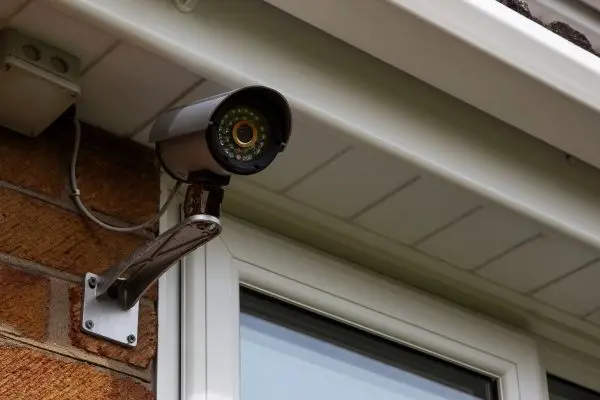
Covering a large property effectively requires placing cameras where they deliver the most protection. Professional surveillance systems for large properties depend on thoughtful positioning rather than simply adding more cameras. Quality cameras from brands like Luma and Digital Watchdog give installers the placement flexibility large properties need.
Eliminating Blind Spots
Professionals plan placement so cameras work together, covering each other’s gaps. Rather than scattering cameras randomly, experienced installers create overlapping coverage that leaves nowhere for activity to go unnoticed. This matters far more on large properties where a single missed angle creates significant vulnerability.
Prioritizing Important Areas
Skilled installers focus coverage where it matters most. Important areas typically include:
- Entry points and access roads
- Perimeter boundaries and fence lines
- Outbuildings and detached structures
- Parking areas and driveways
- Main approaches to the home
This prioritization ensures the most vulnerable areas receive appropriate attention while avoiding wasted coverage on low-priority spaces.
Accounting for Property Features
Large properties often include landscaping, elevation changes, and structures that affect camera placement. Professional installers account for trees that grow and block views over time, terrain that creates hidden areas, and lighting conditions that change throughout the day.
Wired and Wireless Considerations
Large properties present unique challenges for both connection approaches.
For surveillance on large properties, wired connections often provide the reliability and extensive coverage demanded. Running cables to distant cameras delivers consistent connectivity that wireless struggles to match across long distances. Wireless cameras, meanwhile, provide flexibility for locations where running cables proves impractical, such as detached structures or distant points across the grounds.
Many large property projects combine both approaches. Determining the right mix requires evaluating your specific property, and experienced installers assess distances, existing infrastructure, and coverage needs to identify the approach delivering reliable protection.
Network Infrastructure for Large Property Surveillance Systems
Reliable networking forms the backbone of any large property surveillance system.
Multiple cameras streaming across an expansive property demand far more from networks than typical home setups. Professional WiFi installation becomes essential, using business-class hardware from Digital Watchdog, Luma, and Ring to maintain coverage throughout the grounds. Large properties often need multiple access points, proper network segmentation, and infrastructure designed to handle numerous camera streams without dropping connections.
Planning for Video Storage
Large properties with many cameras generate substantial amounts of footage. More cameras recording across more hours mean greater storage requirements. Professional planning addresses how much footage you want available, balancing capacity against how long recordings remain accessible. Options include local recording equipment sized for your system and cloud storage providing offsite backup.
Experienced installers help determine appropriate storage based on your camera count, recording preferences, and how much footage you want to access.
Choosing the Right Cameras
Camera quality directly affects how useful your footage proves when you need it.
High-definition professional-grade cameras, like the ones from Luma and Digital Watchdog, capture clear images that help identify people and details across large properties. The clarity matters most when footage becomes important, such as when reviewing an incident. Different locations call for different cameras, since a camera covering a wide parking area has different requirements than one monitoring a single entry point. Professional installers help select cameras suited to each location, considering lighting, distances, and what each must capture.
Easy Monitoring and Control
Modern surveillance lets you monitor large properties from anywhere.
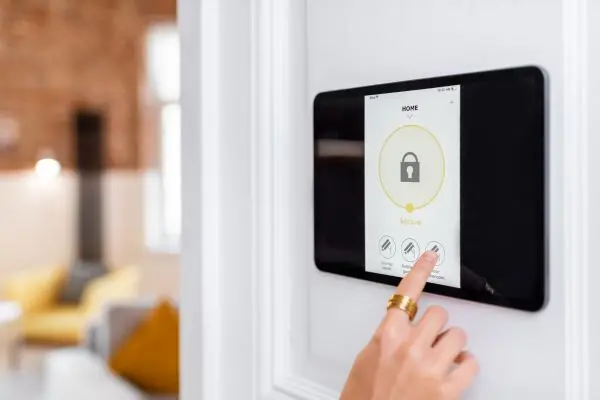
Quality systems include mobile access through apps, letting you check cameras and review footage from your phone or tablet wherever you are. For large properties, this remote access proves particularly valuable since you can’t physically see all areas at once. Integration with broader home automation adds further convenience, coordinating surveillance with lighting and other features to enhance security across your property.
Planning for Future Growth
Large properties often change over time, with owners adding structures or expanding. Smart system design accommodates this. Rather than installing systems that require complete replacement when needs change, professionals design with growth in mind, so adding cameras for new structures stays straightforward. Discussing your future plans during planning helps create systems that grow with your property.
Why Professional Installation Matters
Large property surveillance involves complexity that rewards experience and proper planning.
At AudioTec Designs, we’ve designed and installed surveillance systems since 1989. We conduct thorough site surveys, plan coverage eliminating blind spots, and build the network infrastructure that large properties demand. Our owner-operated approach means personal attention to exactly what your property needs, handling every aspect from initial survey through final monitoring setup.
Contact us to discuss protecting your large property. We’ll survey your grounds, explain your options, and design a surveillance system delivering the coverage and peace of mind expansive homes require.
Frequently Asked Questions
How many cameras does a large property need?
Camera count depends on your property’s size, layout, and what you want to protect. Large properties typically need cameras covering entry points, perimeter areas, outbuildings, and main approaches. A professional site survey determines the right number for thorough coverage without unnecessary redundancy.
Can one system cover my entire property including outbuildings?
Yes. Professional installation extends coverage across entire properties, including detached structures. This may involve combining wired and wireless cameras, adding network infrastructure to reach distant points, and planning connectivity carefully. Experienced installers design systems that protect everything from your main home to remote structures.
How do I monitor cameras across such a large area?
Mobile apps let you view all your cameras from one place, regardless of property size. Rather than checking areas individually, you access your entire system through your phone or tablet. This remote monitoring proves particularly valuable on large properties where you can’t physically observe all areas simultaneously.
Will the system work reliably across long distances?
With proper planning and infrastructure, yes. Professional installers address the connectivity challenges distance creates through appropriate wired connections, strategic network equipment placement, and business-class networking hardware. This professional approach delivers reliable performance that basic systems can’t achieve across expansive properties.
Can I expand the system as my property grows?
Quality systems are designed with future growth in mind. Adding cameras for new structures or expanding coverage builds on your existing system rather than requiring replacement. Discussing your future plans during initial design helps create a foundation that accommodates growth as your property changes.