

In South Florida, the backyard is not an occasional space. It is where families gather most of the year, and a well-designed outdoor entertainment system turns a patio or pool deck into an extension of your living room. Getting there takes equipment built for coastal conditions and planning that accounts for heat, humidity, and salt air.
Here is what goes into an outdoor setup that lasts.
Why Outdoor AV Demands Different Equipment
Gear made for living rooms fails quickly once it moves outside.
Indoor speakers and displays are not sealed against moisture, and the coastal environment here is unforgiving. Humidity works into unsealed housings, direct sun degrades materials and washes out screens, and salt air accelerates corrosion on anything not built to resist it.
Equipment rated for outdoor use is engineered for these conditions, with sealed enclosures, corrosion-resistant hardware, and materials that hold up to sustained sun exposure.
Choosing Weather-Rated Speakers
Outdoor audio has to fill open space while surviving everything the environment throws at it.
Built for Coastal Conditions
Weather-rated speakers use sealed housings, UV-stable materials, and corrosion-resistant components. In coastal areas, corrosion resistance matters more than most homeowners realize, since salt exposure reaches well inland on the breeze.
We often specify Sonance speakers for these spaces, since their discreet design approach works as well outdoors as it does inside.
Covering Open Space
Sound behaves differently outside. With no walls to reflect it, audio dissipates fast and needs more thoughtful distribution than in an indoor room. Options include:
- Mounted speakers under eaves and soffits for patios
- In-ground and garden speakers positioned among plantings
- Higher-output models for pool decks and larger yards
- Subwoofers that ground the sound in open areas
Placement matters as much as the speakers themselves. Several well-positioned speakers at moderate volume produce better results than a couple of loud ones, keeping sound where you want it rather than pushing it toward neighbors.
Outdoor Displays
Watching a game on the patio requires a display built for it.
Outdoor-rated televisions are sealed against moisture and built to stay visible in bright daylight. A standard indoor television placed outside will disappoint on both counts, struggling in ambient light and deteriorating once humidity reaches its internals.
Placement deserves attention too. Covered patios give displays the best working conditions, while direct sun demands the brightest models available. Screens should also face away from the harshest afternoon light where possible.
Bringing Audio, Video, and Lighting Together
The best outdoor spaces feel coordinated rather than assembled piece by piece.
Patios and Covered Areas
Covered patios handle the widest range of equipment since overhead protection shields against rain and sun. These spaces often anchor a system with a display, primary speakers, and integrated lighting control that shifts the mood from dinner to late evening.
Pool Decks and Summer Kitchens
Pool areas need equipment positioned away from splash zones and chemical exposure, so audio typically comes from speakers at the perimeter or tucked into surrounding plantings. Outdoor kitchens benefit from their own audio zone and often a compact display, with placement that keeps components clear of heat and grease.
Zoning Outdoor Spaces With the Rest of Your Home
Outdoor audio works best as part of your whole home audio system rather than a separate island.
Zones let the patio play independently from indoor rooms, or join them when you want music flowing throughout the property. During a party, the pool deck and living room can share the same playlist. On a quiet morning, the patio plays alone while the house stays silent.
Different outdoor areas often deserve their own zones as well, since the summer kitchen, pool deck, and seating area each have distinct uses. Thoughtful zone design gives you that flexibility without complicating daily operation.
Protecting Equipment From the Environment
Durability comes from smart placement as much as from rugged gear.
Amplifiers, receivers, and other electronics belong indoors or in a ventilated equipment rack. Only the speakers and displays should face the elements, with everything else protected in conditioned space and connected through properly routed cabling.
Sound planning practices include:
- Mounting speakers under overhangs where practical
- Positioning equipment away from irrigation spray
- Using outdoor-rated cabling and weatherproof connections
- Sealing all penetrations where the cable enters walls
- Allowing airflow around any enclosed components
These details separate installations that last from those that need attention every season.
Planning Cabling, Power, and Shade
The infrastructure decisions made early determine how well everything works later.
Cabling Routes
Outdoor speaker wire and video cable must be rated for exterior use and routed through conduit where exposed. Planning these runs before pavers or planting beds go in prevents cutting into finished surfaces later.
Power Access
Outdoor displays and any powered equipment need appropriate electrical service. Weather-rated outlets and dedicated circuits should be planned alongside the AV design rather than added afterward.
Shade and Positioning
Shade extends equipment life and improves the viewing experience. Pergolas, awnings, and mature plantings all reduce direct sun exposure. Where shade is limited, equipment selection has to compensate with higher brightness ratings and stronger weather sealing.
Control That Works Outside
Reaching for controls should never interrupt time outdoors.
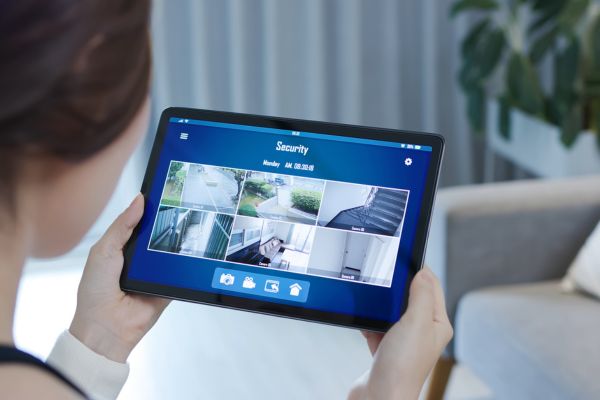
Weather-rated wall interfaces let you adjust audio without going inside, while mobile apps handle everything from wherever you are sitting. Home automation platforms such as Control4 or Crestron pull outdoor areas into the same system indoors, letting a single press cue up music and dim the patio lights for an evening outside.
The goal is simplicity. Guests should figure out the basics without instruction.
Why Professional Installation Matters Here
Coastal installations punish shortcuts.
Our design and engineering services account for the demands of this environment, selecting equipment rated for the conditions, positioning it to minimize exposure, and sealing every connection against moisture.
DIY outdoor setups fail in predictable ways. Indoor gear pressed into outdoor duty, unsealed connections, and exposed cable runs all lead to problems that surface within a season or two.
AudioTec Designs has been building outdoor AV throughout South Florida since 1989. We know how this environment wears on equipment and what holds up over years of sun, humidity, and salt air.
Contact us to talk about your outdoor space. We will look at your property, discuss how you use it, and put together a system built for the conditions here.
Frequently Asked Questions
Can outdoor speakers stay outside year-round?
Weather-rated speakers are built to remain installed permanently, including through storm season. They use sealed housings and corrosion-resistant materials designed for continuous exposure. Indoor speakers moved outside will not survive the same conditions, which is why proper equipment selection matters from the start.
Do I need a special television for outdoor viewing?
Yes. Outdoor-rated displays are sealed against moisture and built with brightness that remains visible in daylight. Indoor televisions struggle with glare and deteriorate once humidity works into their internals, so they are not suitable for permanent outdoor placement.
Can outdoor audio connect to my indoor system?
Yes, and that integration is one of the biggest advantages. Outdoor zones work as part of your whole-house audio, playing independently or joining indoor rooms. You control everything through the same interface rather than managing a separate outdoor system.
How is equipment protected from salt air?
Weather-rated equipment uses corrosion-resistant hardware and sealed construction built for coastal exposure. Along with the gear itself, thoughtful placement under overhangs and away from direct spray extends its life considerably. Keeping amplifiers and electronics indoors protects the most vulnerable components entirely.
Are outdoor speakers noticeable once installed?
Many outdoor speakers are designed to blend in, with garden models that sit among plantings and mounted options that tuck under eaves. Finishes are chosen to recede visually. Most homeowners find the speakers go unnoticed once the space is complete.