
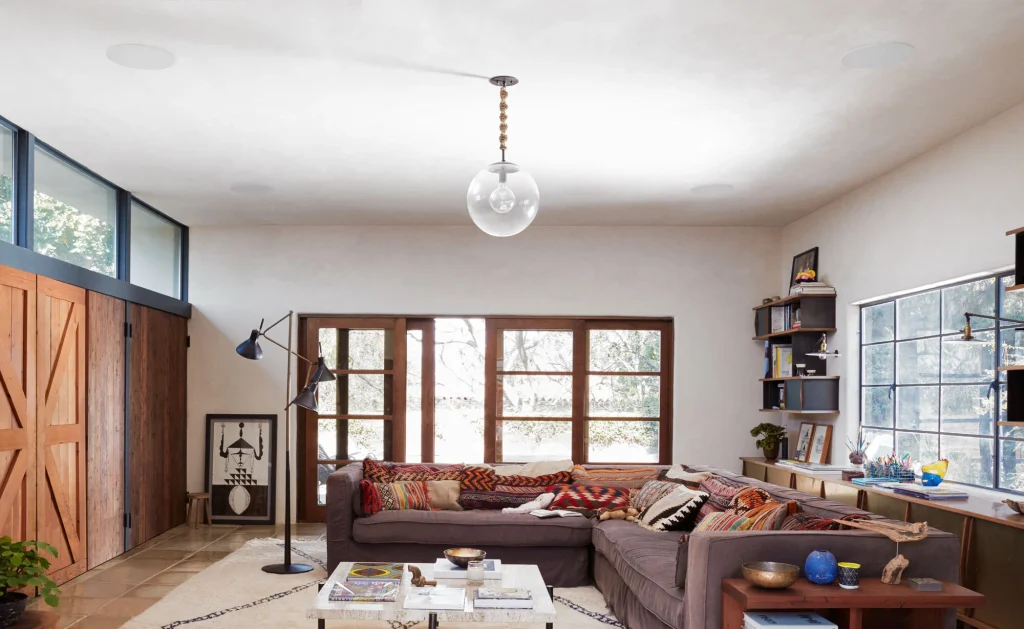
The hallmark of truly sophisticated technology isn’t how impressive it looks. It’s how completely it disappears.
Walk through the finest homes and technology serves without announcing itself. Lights respond to presence, and music fills rooms from sources you can’t see. This seamless integration represents invisible technology, where function exists without compromising form.
After three decades designing systems, we’ve learned that making technology disappear requires as much artistry as engineering. Here’s how professional integration achieves invisibility while maintaining functionality.
The Philosophy of Invisible Technology
Invisible technology isn’t about hiding equipment. It’s thoughtful integration where technology supports life without demanding attention.
The philosophy respects your home’s architecture and design. When interior designers perfect sight lines and finishes, visible electronics become visual noise. Technology should enhance spaces, not compete with them.
This requires collaboration from the earliest planning stages. We work alongside architects and designers, understanding vision before specifying components. That coordination ensures technology serves design intent.
Professional Concealment Techniques
Achieving true invisibility requires expertise beyond standard installation practices. Professional concealment techniques vary by application and architectural context.
Architectural Speakers
In-wall and in-ceiling speakers represent the foundation of invisible audio. But execution matters enormously. We specify Sonance speakers for their architectural integration capabilities, with grilles that can be painted to match surfaces exactly.
Proper concealment requires:
- Strategic placement based on room acoustics and sight lines
- Precise cutting ensuring clean integration with wall and ceiling planes
- Grille finishing matching surrounding surfaces perfectly
- Acoustic optimization maintaining performance despite concealment
The goal isn’t just hiding speakers. It’s positioning them where they disappear visually while performing optimally acoustically.
Display Concealment
Large displays present unique challenges in luxury spaces. When screens conflict with design vision, professional solutions include concealment within cabinetry, integration with architectural elements, and strategic positioning that minimizes visual impact.
These solutions require coordination during construction or renovation. Structural support, power management, and control integration all demand early planning.
Control Interface Integration
Touch panels and keypads can disrupt carefully considered design schemes. Control4 and Crestron systems offer options ranging from minimalist wall stations to fully concealed control via personal devices.
The trend toward smartphone and tablet control actually serves invisibility well. When control happens through devices people already carry, dedicated touch panels become optional. For built-in interfaces, finish matching ensures controls complement rather than clash.
Balancing Aesthetics with Functionality
The challenge isn’t making equipment disappear but doing so without compromising performance. Some concealment handicaps functionality—speakers behind grilles blocking frequencies, displays in cabinets with insufficient ventilation.
Professional integration maintains balance through acoustic testing, ventilation engineering, signal management with network infrastructure using Ruckus and Araknis equipment, and designed service access points.
Working with Interior Designers and Architects
Successful invisible technology results from collaboration between integrators, architects, and interior designers starting during schematic design.
We review plans, identifying where technology integrates, what infrastructure is needed, and where conflicts might arise. We provide detailed documentation showing equipment locations, required backing, power and data pathways, and ventilation requirements.
Designers help us understand aesthetic priorities. We suggest solutions serving their vision, whether Sonos systems where architectural speakers won’t work or projector solutions where displays would disrupt sight lines.
Advanced Mounting and Hiding Solutions
Beyond basic concealment, advanced techniques achieve near-total invisibility in demanding applications.
Projectors offer inherent advantages for invisible integration. Mounted in ceilings or concealed in architectural details, they deliver large-scale imagery without visible displays during non-use. Professional concealment ensures optical paths work properly while maintaining clean sight lines.
Motorization enables concealment possibilities. The website mentions motorized shade control coordinating with home theater systems. These motorized elements require infrastructure planning and control system integration, ensuring smooth operation.
While home automation equipment often lives in dedicated spaces, distributed components need concealment. Wireless access points must be positioned for coverage yet remain invisible through strategic placement and integration into architectural details.
Maintaining Serviceability While Hidden
Beautiful concealment means nothing if service becomes impossible. Professional invisible technology maintains accessibility.
Our approach includes accessible equipment rooms for major components, removable concealment elements designed for service access, modular design allowing component replacement without rewiring, and remote diagnostics through Control4 and Crestron systems resolving issues without service visits.
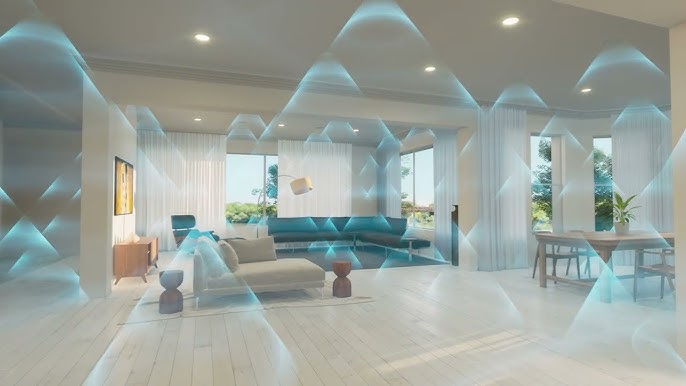
Planning for Invisible Integration
Achieving invisible technology requires planning from your project’s earliest stages. New construction offers optimal opportunities through coordination during the design phase via our design and engineering services.
Existing homes present different challenges. We evaluate what’s achievable within architectural constraints, finding creative concealment solutions. Sometimes achieving invisibility requires selective renovation for proper integration.
Collaborate with Experienced Integrators
Invisible technology demands expertise spanning technical requirements and design sensibility.
At AudioTec Designs, we’ve refined invisible integration techniques since 1989. We work with South Florida’s leading architects and interior designers, appreciating that your home’s aesthetics matter as much as functionality.
Connect with our team during your project’s planning phase. We’ll show you how sophisticated technology can integrate invisibly, serving your lifestyle without disrupting your home’s beauty.
Frequently Asked Questions
Can invisible technology achieve the same quality as visible installations?
When properly designed, invisible installations often perform better. Architectural speakers positioned based on acoustics deliver superior sound. Concealed displays in optimal viewing positions outperform those placed for equipment visibility. Professional design prioritizes both performance and aesthetics, ensuring concealment enhances rather than compromises functionality.
How does invisible integration affect future upgrades?
Professional invisible integration simplifies upgrades. We design infrastructure supporting technology evolution with accessible pathways and modular mounting. Our documentation shows exactly where concealed components live and how to access them, making the initial investment pay dividends throughout your home’s lifetime.
What spaces benefit most from invisible technology?
Formal living spaces, primary bedrooms, and areas where design aesthetics are paramount benefit most. These spaces feature carefully considered interior design that visible technology would disrupt. We help determine where invisibility matters based on how you use each space and your design priorities.
Does invisible integration require special maintenance?
Invisible installations require the same maintenance as visible ones with different access methods. We design concealment with service in mind using removable grilles and accessible panels. Remote diagnostics often resolve issues without physical access. When service is needed, documentation guides technicians efficiently.
How early should we involve technology integration?
Involve your technology integrator during schematic design when engaging your architect and interior designer. Early involvement allows coordinating infrastructure requirements with architectural development, preventing conflicts where technology needs surprise designers late in the process.