
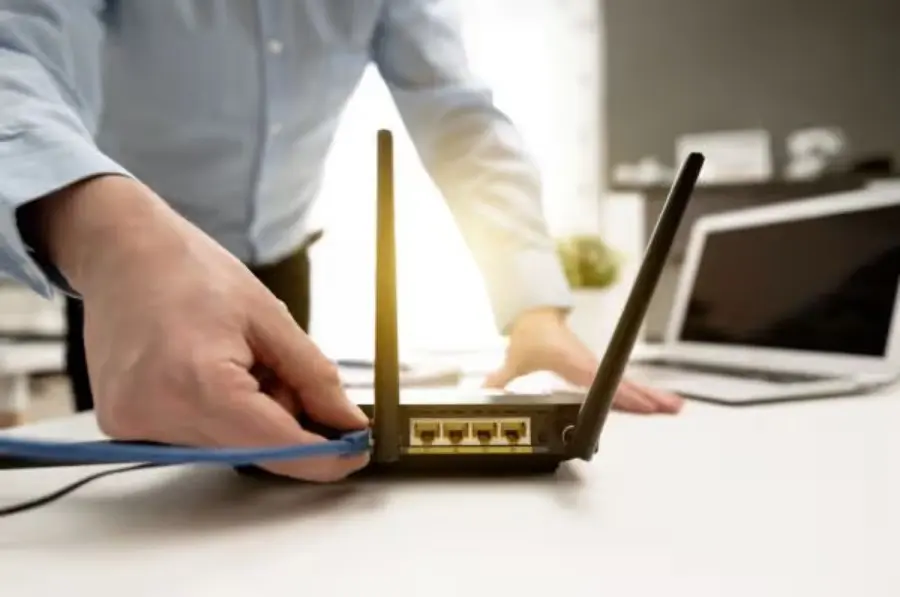
Every smart device in your home shares one thing: it depends on the network. Streaming, audio, cameras, lighting, and control all ride on the same foundation, and when that foundation is weak, everything on top of it suffers. Strong home network infrastructure is the quiet groundwork that makes a connected home work, and most people never think about it until something stops responding.
Here is why the network matters so much and what to keep in mind when planning one.
The Foundation Everything Depends On
A smart home is only as good as the network underneath it.
Think about how much runs through your network on a normal evening. Someone streams a movie while another is on a video call. Cameras send footage, music plays in a few rooms, lights respond to a keypad, and a range of background devices stay connected, all at the same time.
When that network is strong, none of it is something you notice. When it is weak, the problems show up across the whole home:
- Streaming that buffers or drops
- Cameras that lag or lose their feed
- Audio that stutters between rooms
- Controls that hesitate before responding
The devices are not the problem in those moments. The network carrying them is.
Why the Network Comes First
It is easy to focus on the devices and forget the network that ties them together.
Homeowners often think about the television, the speakers, the cameras, or the lighting, and leave the network as an afterthought. Yet all of those systems lean on the same connection. A reliable network is what lets each one perform the way it is meant to, which is why it deserves attention from the start rather than a patch later on.
That is the thinking behind professional WiFi installation: building the connection first, so everything that depends on it has a steady foundation to work from.
Coverage That Reaches Every Room
A network is only useful where it actually reaches.
Coverage that fades in back rooms, upper floors, or outdoor spaces turns into a daily annoyance, since the systems you rely on stop working the moment you step out of range. Reliable coverage throughout the home, and into the spaces you use around it, is a core part of a network worth having.
Getting there takes the right equipment placed thoughtfully rather than a single unit trying to cover everything. We frequently work with Ruckus and Araknis to deliver coverage that holds up from room to room.
Reliability You Do Not Have to Think About
The best network is the one you never notice.
A connection that mostly works but drops now and then is a constant frustration, since the failures always seem to land at the worst moment. What you want instead is a network that simply stays steady, so streaming, audio, cameras, and control all keep running without a second thought. Reliability like that comes from planning and quality equipment rather than luck.
For homes with heavier demands, we also work with Access Networks to deliver the steadiness a connected home relies on.
Planning for Today and Tomorrow
The number of connected devices in a home keeps climbing, and a network should account for that.
A network suited only to today’s devices can struggle as you add more. Every new camera, streaming device, or system adds to the demand, so it helps to think ahead when the network is designed. Planning with growth in mind means the foundation keeps up as your home changes, rather than needing a rework in a few years.
Talking through both your current needs and where you might be headed is part of designing a network that lasts.
Why Professional Design Matters
A smart home that simply works starts with a network built to support it.
Consumer gear promises easy setup, but in a larger, busier home the shortcuts tend to show. Coverage gaps, connections that fade, and systems that compete with one another are common frustrations. A dependable result comes from planning the network as a whole rather than piecing it together.
Our design and engineering services shape the network around your home and how you use it, so the foundation is ready for everything you connect to it. The network becomes something you can rely on rather than something you fight with.
AudioTec Designs has planned and installed connected home systems since 1989. We build the foundation first, so streaming, audio, cameras, lighting, and control all have the reliable network they depend on.
Contact us to start a conversation about your home network. We will look at your home, discuss how you use your systems, and design a foundation that keeps everything running.
Frequently Asked Questions
Why does my home network matter so much?
Every connected system in your home relies on the network, from streaming and audio to cameras, lighting, and control. When the network is strong and steady, those systems perform the way they should. Many problems people blame on their devices actually trace back to the network underneath them.
Will a better network improve my streaming and cameras?
It can make a real difference. Streaming, cameras, audio, and control all depend on the network carrying their traffic reliably. When the foundation is steady and has room to spare, these systems work the way they are meant to rather than lagging or dropping.
Can my network keep up as I add more devices?
That depends on how it is planned. A network suited only to today’s devices can struggle as you add more. When it is designed with growth in mind, adding new systems builds on what is already there. We are glad to plan with your future needs in mind.
Why not just use a consumer router?
A basic router can work for a small home with modest needs. Larger, busier homes tend to expose its limits, with coverage gaps and connections that fade. Professional design and quality equipment deliver the coverage and reliability a connected home depends on.
How do I know if my network needs attention?
The signs show up in daily use: buffering, cameras that lag or drop, audio that stutters, and controls that hesitate. These often appear gradually as a home adds devices. If your systems worked well at first but have grown unreliable, the network is worth having looked at.