
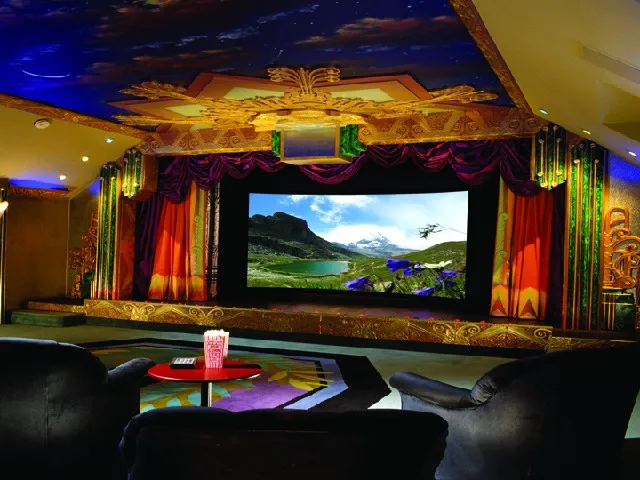
Sound shapes emotion in ways most people never consciously recognize. When a movie scene makes your heart race or brings tears to your eyes, the home theater acoustics are doing as much emotional work as the visuals on screen. After three and a half decades designing entertainment spaces in South Florida luxury homes, I’ve watched countless families rediscover their favorite films once they experienced them with properly designed acoustics.
The difference between adequate sound and exceptional acoustics isn’t just technical—it’s profoundly emotional. Great acoustics don’t just make movies louder or clearer. They transport you into the story, creating an immersive experience that engages your brain in fundamentally different ways than poor sound reproduction.
How Sound Affects Emotion and Immersion
Your brain processes audio information faster than visual information. When you hear a sudden noise, your body reacts before you’ve consciously identified the sound. This hardwired response makes audio incredibly powerful for creating emotional engagement during entertainment.
Sound creates immersion through multiple pathways:
- Directional cues that place you inside the action
- Dynamic range that mirrors real-world intensity variations
- Clarity that lets you distinguish individual elements
- Spatial depth that creates three-dimensional soundscapes
Think about watching a thunderstorm scene. Poor acoustics make the thunder sound flat and two-dimensional, coming from obvious speaker locations. Proper acoustics make that thunder rumble through the room with depth and direction, triggering the same emotional response you’d have to real thunder.
This isn’t just about entertainment value—it’s about family connection. When everyone in your theater experiences the same emotional journey through a film, it creates shared memories and strengthens relationships. That’s why homeowners invest in dedicated theaters rather than just watching on any television.
The Science of Acoustic Perception
Understanding how your ears and brain work together helps explain why home theater acoustics matter so much. Your auditory system naturally processes complex sound environments—identifying locations, understanding dialogue, and responding emotionally to what you hear.
Your brain uses subtle differences between your two ears to determine where sounds originate. Professional acoustic design preserves these natural cues that basic setups often destroy. This directional accuracy makes you feel like you’re inside the action rather than watching it from outside.
Different sound frequencies trigger different emotional responses. Deep bass creates tension and power. Mid-range frequencies carry dialogue clarity. High frequencies add sparkle and definition. Room acoustics dramatically affect how you perceive these elements, either enhancing or destroying the intended experience.
Common Acoustic Problems in Luxury Homes
Large, open spaces with high ceilings and hard surfaces create the most challenging acoustic environments. Unfortunately, these architectural features are common in South Florida luxury properties. Beautiful tile floors, floor-to-ceiling windows, and soaring ceilings look magnificent but create acoustic nightmares.
Typical problems we encounter:
- Excessive reverberation makes dialogue difficult to understand
- Standing waves that create boomy bass in some spots and weak bass in others
- Early reflections that destroy imaging and clarity
- Insufficient sound isolation is letting the theater noise disturb other areas
These problems aren’t always obvious until you compare them to properly designed spaces. Homeowners often don’t realize their theater sounds poor because they’ve never experienced what it could sound like with professional acoustic treatment.
Florida’s construction materials present specific challenges. Concrete block walls reflect sound aggressively. Large glass sliders to outdoor entertainment areas create massive reflective surfaces. Open floor plans mean sound travels freely between spaces, making isolation difficult.
Professional Acoustic Design Principles
Quality acoustic design starts during the planning phase, not as an afterthought after construction completes. The room’s dimensions, surface materials, and equipment placement all affect the final acoustic result.
Core design principles include:
- Room proportion that minimizes acoustic resonances
- Strategic absorption controlling problematic reflections
- Diffusion scattering sound energy to create spaciousness without harshness
- Bass management addressing low-frequency buildup
- Isolation prevents sound transfer to adjacent spaces
Professional designs account for how you’ll actually use the space. A dedicated theater for serious movie watching requires different acoustic treatment than a casual media room where conversations happen during shows. Family gathering spaces need balanced acoustics that support both entertainment and social interaction.
Integration with your home automation system allows acoustic adjustments for different content. Movie mode might use full surround processing, while sports mode emphasizes center channel clarity for commentary. Music playback benefits from a different acoustic optimization than film soundtracks.
Materials and Treatments for Optimal Sound
Acoustic treatment isn’t about covering walls with foam panels—it’s about strategically using specialized materials to shape how sound behaves in your space. Professional installations use materials designed specifically for acoustic control.
Professional acoustic approaches include:
- Strategic panel placement with precise absorption characteristics
- Bass management that controls low-frequency energy
- Diffusion techniques that scatter reflections while maintaining room energy
- Isolation methods that prevent sound transmission between spaces
These solutions are specified based on a detailed analysis of your specific room. Every space has unique acoustic characteristics requiring customized treatment. What works perfectly in one theater might be completely wrong for another room with different dimensions or construction.
Quality acoustic fabrics allow customization, matching your interior design. Treatment panels can look like artwork, complement existing décor, or become invisible behind custom millwork. You shouldn’t have to choose between acoustic performance and aesthetic appeal.
Equipment selection matters as much as room treatment. Premium speakers from brands like Sonance deliver superior sound quality that acoustic treatment can optimize. Quality amplification and processing from manufacturers like Marantz provide the power and precision needed for accurate sound reproduction. Additionally, Control4, Crestron, and Araknis offer reliable home automation systems that can seamlessly integrate with your acoustics to create a fully immersive entertainment experience.
When it comes to networking, Access Networks, Ruckus, and the Netgear AVPro series deliver excellent options for ensuring your system’s infrastructure can handle the demands of high-performance AV systems, including optimal bandwidth for streaming high-definition content. These brands provide network solutions tailored for luxury homes, ensuring that your entertainment system is capable of streaming in the highest quality without interruption.
Balancing Aesthetics with Acoustic Performance
Many homeowners worry that acoustic treatment will make their theater look like a recording studio. Professional design incorporates acoustic function into beautiful architectural elements rather than adding obvious panels everywhere.
Aesthetic integration approaches:
- Custom fabric panels match wall colors and textures
- Architectural features like coffered ceilings that provide acoustic function
- Hidden bass traps behind millwork or seating platforms
- Acoustic transparent screen walls concealing treatment
- Designer fabrics on acoustic panels create artwork-quality wall features
Your theater should reflect your home’s overall design aesthetic while providing exceptional acoustic performance. Working with experienced integrators who understand both acoustic science and interior design ensures you don’t compromise either priority.
At AudioTec Designs, we collaborate with interior designers and architects to create theaters that look as impressive as they sound. The acoustic treatments become part of the design intention rather than aftermarket additions that clash with your vision.

The Return on Proper Acoustic Investment
Investing in professional acoustic design delivers returns that go beyond just better sound quality. When your theater sounds exceptional, you actually use it more often. Families gather for movie nights. You rediscover films you thought you knew. Every viewing becomes an event rather than just watching television.
Value that proper acoustics provide:
- Increased theater usage and family engagement
- Enhanced enjoyment of existing equipment investment
- Reduced the need for excessive volume levels
- Better dialogue clarity reduces frustration
- True cinematic experience rivaling commercial theaters
Poor acoustics can make even premium equipment sound disappointing. You might spend substantial resources on high-end speakers and electronics only to have room acoustics destroy their performance. Professional acoustic design ensures your equipment investment delivers its full potential.
The acoustic foundation also protects future upgrades. As display technology and audio formats evolve, properly designed room acoustics remain relevant. You can upgrade equipment while the acoustic treatments continue performing their function for decades.
Creating Your Ideal Entertainment Space
Whether you’re planning a new dedicated theater or improving an existing media room, home theater acoustics deserve the same attention you give to equipment selection and interior design. The acoustic environment shapes every moment of entertainment in that space.
Great acoustics aren’t accidents—they result from careful planning, proper materials, and expert implementation. The difference between acceptable sound and truly immersive acoustics is the difference between watching a movie and experiencing it.
Professional acoustic analysis identifies your room’s specific challenges and opportunities. We measure actual acoustic performance, identify problem areas, and design treatment strategies that optimize your space while respecting your aesthetic preferences.
Contact our team to schedule an acoustic analysis consultation. We’ll help you understand your theater’s current acoustic performance and design solutions that transform your entertainment experience. Your family deserves theater acoustics that do justice to both your equipment investment and the content you enjoy together.
Frequently Asked Questions
Q: How much difference does professional acoustic treatment really make?
A: The difference is dramatic and immediately noticeable. Professional treatment transforms unclear sound into clear, immersive audio that lets you hear every detail. Dialogue becomes effortless to understand. Bass sounds powerful without being overwhelming. The sound feels like it’s happening around you rather than coming from obvious speaker locations. Most clients describe the experience as finally hearing what their equipment was capable of delivering all along.
Q: Can acoustic treatment be added to existing theaters without major renovation?
A: Yes, acoustic improvements can be implemented in existing spaces, though effectiveness depends on the room’s current construction and acoustic issues. Some treatments, like strategic panel placement and bass traps, can be added without construction. More severe acoustic problems might require additional measures. A professional assessment identifies what improvements are possible within your specific situation and budget parameters.
Q: Will acoustic treatments make my theater look like a recording studio?
A: Not when designed by professionals who understand both acoustics and aesthetics. Modern acoustic materials can be covered with designer fabrics, integrated into architectural features, or hidden behind custom millwork. Treatment becomes part of your theater’s design rather than obvious additions. Many luxury theaters look more refined after acoustic treatment because the design process creates cohesive architectural elements.
Q: How do I know if my current theater has acoustic problems?
A: Common signs include difficulty understanding dialogue, boomy or muddy bass, sound that seems to come from speakers rather than the screen, and echo or reverb when you clap or speak. If you need excessive volume for clarity or if sound quality varies dramatically in different seating positions, you likely have acoustic issues. Professional measurement and analysis quantifies problems and identifies specific solutions.
Q: What’s the relationship between room size and acoustic treatment needs?
A: Larger rooms generally require more extensive treatment to control reflections and manage bass frequencies. However, smaller rooms can have more severe acoustic problems due to stronger room resonances in confined spaces. Every room size presents unique challenges requiring customized solutions. Professional design accounts for your specific room dimensions, construction materials, and intended use to create optimal acoustics regardless of size.