
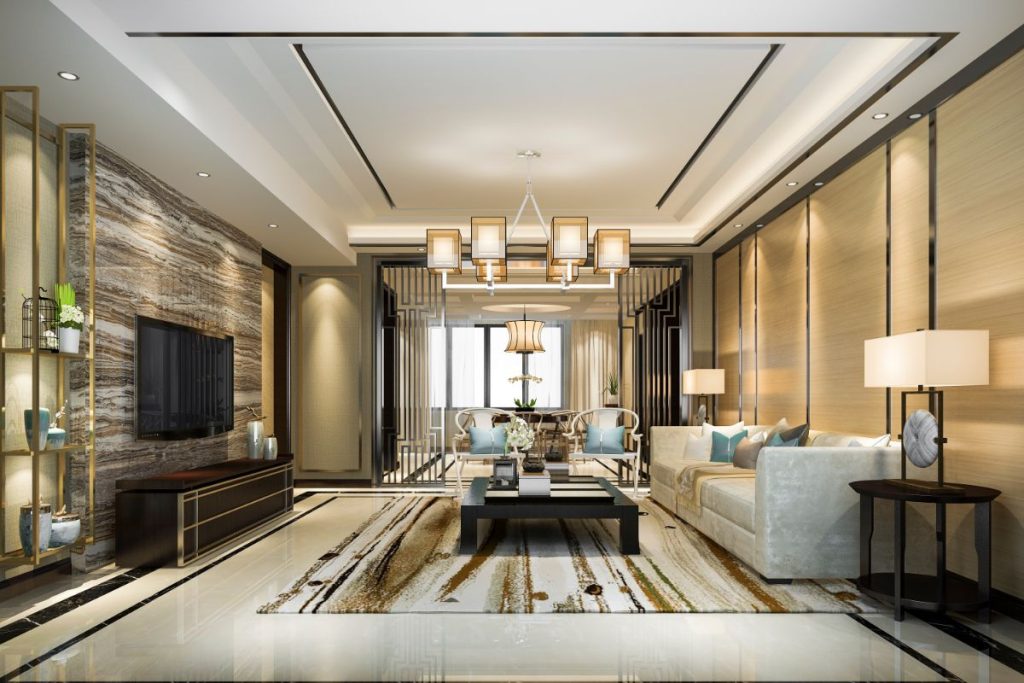
Walk through luxury homes today, and you won’t see the technology running them. Lights respond to presence, music follows from room to room, security cameras monitor the property, and the climate adjusts automatically.
Behind that seamless experience sits a complex infrastructure needing a proper home. After three decades of designing systems, one decision during architectural planning makes the difference between technology that works flawlessly and technology that becomes a constant headache. Where you put the equipment matters as much as which equipment you choose. Here’s why luxury homes need dedicated AV equipment rooms.
The Hidden Complexity Behind Modern Smart Homes
Your luxury home runs multiple sophisticated systems simultaneously:
- Home automation controllers managing lighting, shading, climate, and scenes
- Network infrastructure supporting connected devices
- Audio distribution delivering music throughout
- Video systems route content to displays
- Security and surveillance processing feeds
- Power management protecting electronics
Each system generates heat, needs network connectivity, and requires periodic maintenance. All must work together without interference. Consumer setups that hide a router in a closet fail in luxury properties with sophisticated technology requirements.
Why Consumer Approaches Fail in Luxury Properties
The biggest mistake? Treating professional-grade systems like consumer products. Someone mounts networking gear on walls, tucks controllers behind furniture, or squeezes equipment wherever space remains. Then the problems start.
Equipment generates heat. Without proper ventilation, temperatures climb, causing premature failure. Technology needs regular updates, troubleshooting, replacement, and expansion. When equipment is scattered in closets or behind walls, every service call becomes a project.
Different systems in close proximity interfere with each other. Proper AV equipment rooms prevent these issues through professional rack layouts that separate components appropriately.
Professional Equipment Room Requirements
A proper equipment room is more than empty space with electrical outlets. For luxury homes with whole-house audio, video distribution, automation, security, and robust networking, consider:
- Adequate space for equipment racks and service access
- Central location minimizing cable runs
- Ground floor or basement placement for accessibility
- Proximity to the main electrical panel for the power infrastructure
Professional installations use industry-standard server racks because:
- Standard widths accommodate all professional components
- Proper depth provides ventilation and cable management
- Vertical organization allows logical grouping
- Future expansion fits within existing infrastructure
We work with systems from Control4 and Crestron that require proper rack mounting for optimal performance and serviceability.
Professional-Grade Equipment and Brands
Equipment rooms house professional systems designed for reliability. Control4 offers scalability and user-friendly interfaces. Crestron provides robust solutions for complex installations.
Network reliability requires professional equipment. Ruckus wireless access points deliver coverage in challenging environments. Araknis routers handle multiple streams and devices. Access Networks provides enterprise-grade switching, while the Netgear AVPro series offers solid performance where appropriate.
For audio, Sonance speakers excel in architectural integration. Sonos systems provide flexible whole-house audio. All require proper housing in climate-controlled equipment rooms.
Network Infrastructure Design
The equipment room serves as your network hub, housing core network switches managing property connectivity, wireless controller hardware coordinating access points, network equipment maintaining reliable connections, and power protection maintaining connectivity during issues. We design these networks using commercial-grade equipment like Ruckus wireless systems, Araknis routers, and managed switches from Access Networks.
Climate Control and Power Considerations
Heat and dirty power kill electronics faster than anything else. Professional equipment rooms address both:
- Dedicated HVAC maintains a consistent temperature
- Humidity control prevents condensation
- Continuous air circulation eliminates hot spots
High-end systems need high-quality power through:
- Dedicated circuits prevent interference
- Surge protection guarding against spikes
- Power conditioning delivers clean electricity
- Backup power protection for system reliability
We specify electrical requirements during design so proper infrastructure gets installed during construction, not retrofitted later.
Serviceability and Future Expansion
Technology evolves. Proper AV equipment rooms make maintenance straightforward. Professional equipment rooms include:
- Front and rear rack access for servicing components
- Adequate working space for efficient technician work
- Proper lighting for detailed work
- Network connectivity for remote diagnostics
Smart planning means room for growth:
- Extra rack space for additional equipment
- Spare conduit runs to key property locations
- Oversized electrical capacity supporting future needs
- Network infrastructure with expansion bandwidth
Adding zones to your audio system or expanding surveillance coverage should be straightforward.
Aesthetic Benefits of Centralized Equipment
Properly designed equipment rooms improve your home’s aesthetics. When all technology infrastructure lives in one dedicated space, living areas stay clean with no visible equipment, blinking lights, or humming fans.
The lighting control keypads look elegant, and Sonance speakers blend seamlessly. Equipment rooms isolate operational noise.
Planning Considerations for New Construction
If you’re building or renovating, this is your opportunity to get equipment rooms right. Retrofitting proper spaces into finished homes is significantly more challenging than planning them during initial construction.
Work with your architect and technology integrator together. We provide our design and engineering services, showing exactly what spaces we need, where they should be located, and what infrastructure they require during schematic design.
Your architect needs room dimensions, HVAC requirements, electrical capacity with dedicated circuits, conduit pathways, and an internet service entry point connection documented in construction plans. Equipment rooms designed with extra capacity accommodate systems you’ll add as your needs evolve.
Work With Professional Integrators Early
The best time to plan AV equipment rooms is before construction starts, not after you move in.
At AudioTec Designs, we’ve been designing technology infrastructure for luxury homes since 1989. We know what works and how to create equipment rooms that support sophisticated systems while integrating seamlessly with your property’s architecture.
Reach out to our team during your project’s planning phase. We’ll review your architectural plans, discuss your technology goals, and specify exactly what equipment room infrastructure you need.
Frequently Asked Questions
How much does it cost to build a proper equipment room?
The space requirements depend on your system complexity and property size. The space itself is standard construction, with specialized requirements including dedicated HVAC, proper electrical infrastructure, and conduit pathways. Planning equipment rooms during initial construction is more efficient than retrofitting into finished spaces. We work with your architect and builder to specify exactly what’s needed for your specific installation.
Can equipment rooms be located in garages or outdoor structures?
Garages work if they are climate-controlled and secure. Outdoor structures generally don’t work well because of temperature extremes and humidity stress on equipment. The equipment room needs consistent environmental conditions year-round. We evaluate each situation based on actual conditions, not assumptions.
What if my home doesn’t have space for a dedicated equipment room?
We create that space, even in existing homes. Sometimes that means converting a closet, repurposing a room, or building out a basement or garage space. The alternative, distributing equipment throughout the home without proper housing, creates more problems than it solves.
How do equipment rooms affect home resale value?
Properly designed technology infrastructure increases property value. Buyers of luxury homes expect sophisticated systems and appreciate professional installation and maintenance. An equipment room signals that the home’s technology was implemented correctly, a selling point for buyers who understand smart home systems.
Do equipment rooms need special soundproofing?
Standard construction usually provides adequate sound isolation, but additional soundproofing makes sense if adjacent to quiet spaces like bedrooms or studies. We evaluate this during design based on room location and equipment specifications.