
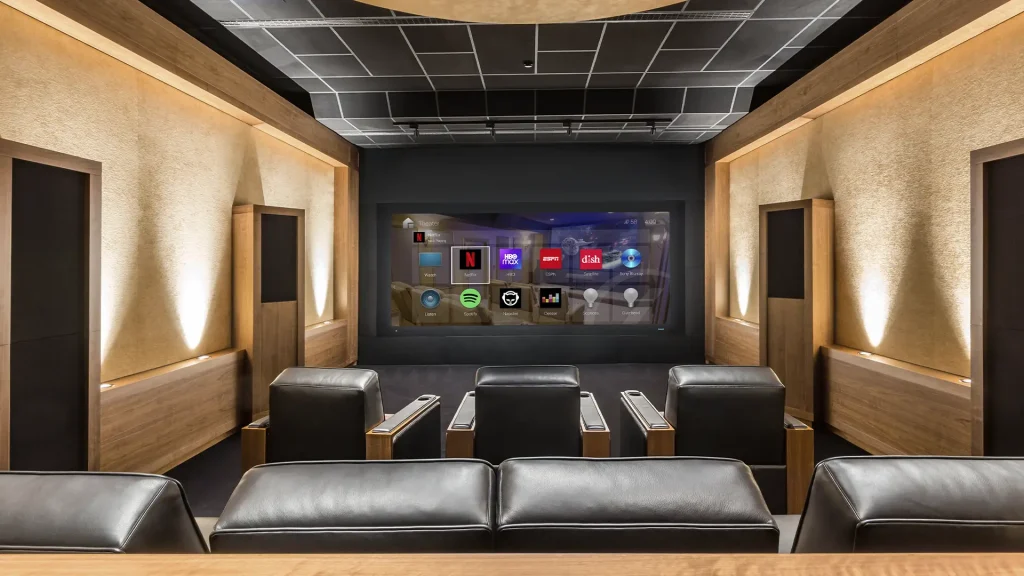
Managing a modern smart home shouldn’t require juggling multiple apps, remotes, and control interfaces. Yet that’s what happens when systems accumulate without unified integration. One app controls lighting, another manages thermostats, a third handles security cameras, and separate remotes operate audio and video.
Centralized control smart home systems solves this by integrating all technology under unified interfaces. Here’s how professional integration transforms complex installations into systems that simplify life.
The Problem with Fragmented Control
Without centralized integration, complexity grows with each device. Smart lighting works fine with its app. Motorized shades require a different control. Security cameras need another app. Your home theater uses multiple remotes.
Soon, you need multiple smartphone apps, several remotes for entertainment, various wall controls, and separate logins for each system. Want “good night” mode to turn off lights, arm security, adjusting climate, and close shades? You’re manually operating four separate systems.
What Centralized Control Provides
Centralized control smart home platforms like Control4 and Crestron integrate diverse systems into unified control environments. Instead of managing individual devices, you control complete experiences.
Single Interface for All Systems
Professional platforms provide one interface for managing everything:
- Lighting throughout the property, including lighting control for individual fixtures and whole rooms
- Climate management across multiple zones
- Home audio distribution to all rooms
- Video systems for entertainment and surveillance
- Motorized shades coordinated with other systems
- Security integration, monitoring, and property access
One interface replaces dozens of separate controls. Whether using touch panels, smartphones, or tablets, you access all systems consistently.
Coordinated Scenes and Automation
The real power of centralized control shows in how systems work together. Scenes coordinate multiple technologies simultaneously:
Morning Scene: Gradually increase bedroom lighting, adjust climate to waking temperature, raise bedroom shades, and start kitchen audio.
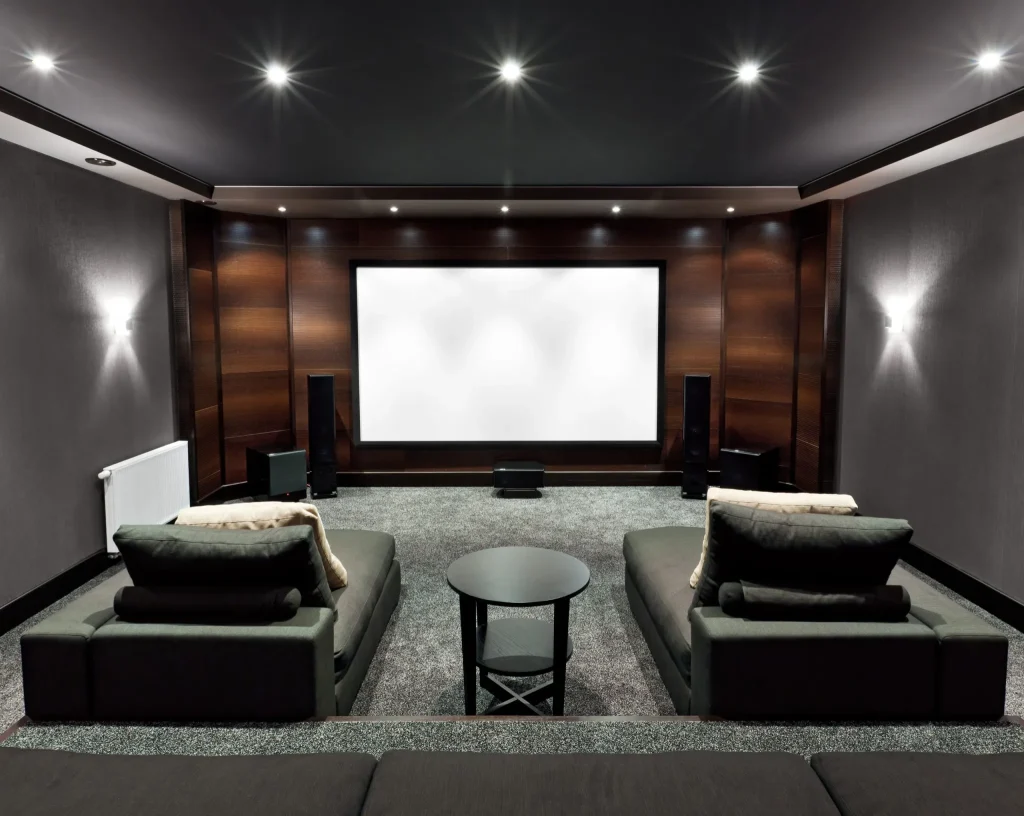
Entertaining Scene: Set living area lighting to welcoming levels, adjust climate for occupancy, prepare home theater systems, and ensure security cameras monitor entry areas.
Away Mode: Turn off unnecessary lighting, adjust climate for efficiency, arm security systems, close all shades, and enable camera recording.
These coordinated actions happen with a single command rather than operating each system individually.
Intelligent Automation
Beyond manual scenes, centralized control smart home systems enable automation based on conditions:
- Time-based actions adjusting systems throughout the day
- Occupancy sensing modifying lighting, and climate automatically
- Security integration triggering responses when systems arm or disarm
- Environmental conditions coordinating shades and climate based on sunlight
Systems execute programmed routines without requiring constant manual control.
Benefits for Daily Life
Centralized integration improves everyday experiences practically. Simplified operation means you don’t need technical knowledge. Interfaces show what matters when it matters. Bedroom controls emphasize lighting and climate, not security cameras.
Reduced technology fatigue eliminates app overload. One interface design applies across all systems. If you know how to adjust lighting, you understand shade control.
Reliable integration means professional home automation platforms provide tested, stable connections. When you trigger a scene, all components respond reliably.
How Systems Integrate
Creating centralized control smart home environments requires proper platform selection and professional integration. Control4 and Crestron platforms communicate with lighting systems, climate equipment, audio and video components, security devices, and motorized window treatments.
Centralized control depends on a reliable network infrastructure. Professional WiFi installation using Ruckus, Araknis, or Access Networks equipment ensures devices maintain consistent connectivity.
Integration quality depends on programming expertise. Professional integrators create interfaces matching how you use spaces, program automation serving real needs, and configure systems for reliable operation.
Practical Applications
Multi-Room Entertainment: Playing music throughout your home becomes straightforward. Select music and extend it to other rooms as needed. Different family members control their areas independently.
Lighting Management: Professional lighting control means creating the right environment instantly through preset scenes. Adjust entire areas with single commands and automate based on occupancy.
Climate Comfort: Integrated climate control coordinates heating, cooling, and ventilation. Set preferences by room and time, adjusting based on occupancy patterns.
Security Integration: Arming security adjusts lighting to away modes. Disarming restores your preferred environment automatically.
Getting Started with Centralized Control
Transitioning to unified control requires professional planning. We begin by understanding how you use your home and what systems need integration. Design and engineering services document exactly how systems will integrate.
Installation ensures proper infrastructure, equipment configuration, and communication between systems. Programming creates interfaces serving your specific needs.
At AudioTec Designs, we’ve designed centralized control systems since 1989, understanding how different technologies integrate and what’s required for reliable operation.
Contact us to discuss how centralized control can simplify your smart home. We’ll explain what’s possible and design solutions matching your requirements.
Frequently Asked Questions
Can existing systems be integrated with centralized control?
Often yes. Professional platforms integrate many existing devices and systems. We evaluate what you currently have, determine compatibility, and recommend the best integration approach. Some older equipment may require replacement, but many systems integrate successfully with proper programming.
Does centralized control require replacing all devices?
Not necessarily. Integration possibilities depend on what you currently have and what capabilities you want. Some systems integrate as-is, others need interface devices for communication, and some benefit from replacement with more capable equipment. We evaluate what works versus what should change.
How difficult is centralized control to use?
Properly programmed systems are simpler than managing separate apps and remotes. Interfaces present relevant controls when needed without overwhelming options. Centralized systems are designed to be easier to operate than fragmented control approaches.
What happens if the internet connection fails?
Professional automation systems are designed for reliable operation. Core functions like lighting control, climate adjustment, and entertainment systems continue operating during internet outages. Remote access from outside the property requires connectivity, but in-home control functions normally.
Can I add capabilities to centralized systems later?
Yes. Professional platforms are designed for expansion. Adding rooms, integrating new devices, or creating additional automation happens through programming rather than replacing infrastructure. This scalability protects your investment as needs evolve.