
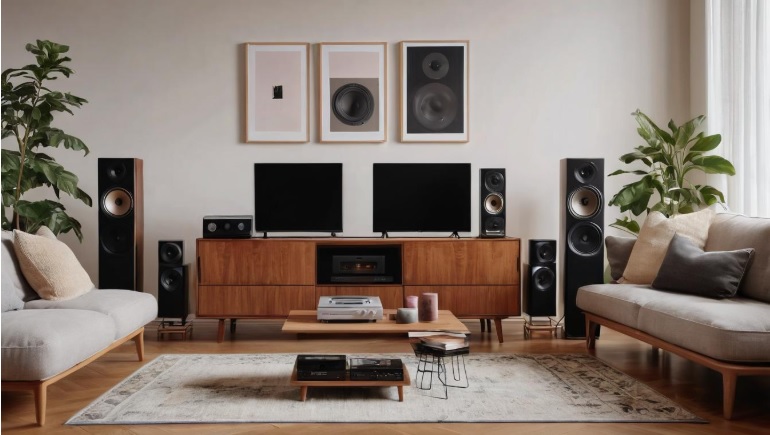
Are you ready to transform your living space into a haven of high-quality sound but feel apprehensive about the technicalities? Understanding the essential components of a home audio systemcan seem daunting, and buying the wrong gear could be a costly misstep. But with a clear grasp of these fundamentals, you’d be amazed at how smoothly everything falls into place, enhancing every movie night and music session with your family.
Components Overview
A home audio system is like an orchestra, where each component plays a unique role in creating a harmonious sound experience. At its core, you’ll find several essential components, including the receiver, speakers, amplifiers, subwoofers, and various source devices. Each of these elements contributes to the overall performance of the system, making it vital to understand their functions and how they interconnect.
Receiver: The Heart of the System
The receiver acts as the central hub of your audio setup. It connects and controls all other devices, managing signal flow between them. Think of the receiver as both a conductor and a manager; it routes audio signals from your input sources—like CD players or streaming services—to the output devices like speakers. Most modern receivers come equipped with numerous inputs for different source options and outputs for multiple speakers. This makes accommodating various setups easy. Today’s advanced receivers even incorporate Bluetooth or Wi-Fi capabilities, allowing you to stream music directly from your devices without hassle.
Speakers: Bringing Music to Life
Speakersfrom one of the most recognizable parts of any audio setup, translating electrical signals into sound that fills your space. They come in various sizes and types to suit different environments, from compact bookshelf speakers for tighter spaces to larger floor-standing models that can deliver powerful audio in spacious rooms.
Speaker configurations also vary widely; you might encounter:
- A basic 2.0 system consisting of two speakers,
- A more robust 2.1 system that adds a subwoofer for rich bass,
- Expansive setups like 5.1 and 7.1 surround systems designed to envelop you in sound while watching movies or playing games.
Amplifiers and Subwoofers
Now, consider the amplifier; if the receiver is the heart, the amplifier serves as the muscles that enhance and power your audio experience. Its job is to boost weak audio signals so they can adequately drive your speakers. Without a solid amplifier, even the best speakers won’t reach their full potential, resulting in flat sound performance.
Complementing this setup are subwoofers, which add crucial low-frequency sounds, delivering depth that makes music lively and films thrilling. Whether it’s the rumble of an explosion or the deep notes of a bass guitar, subwoofers ensure you feel the music, not just hear it.
Understanding how these components work together lays a solid foundation for arranging your gear effectively in your home environment and ensuring optimal performance for all your audio needs.
Integrating Amplifiers and Subwoofers
Adding amplifiers and subwoofers to your home audio system can significantly improve sound quality, creating a richer listening environment. Starting with amplifiers, they serve as the power source for your speakers; if you’ve invested in high-quality speakers, you’ll want an amplifier that can deliver on their potential. These devices work by boosting the audio signals from your receiver, giving your speakers the necessary power to produce clear and dynamic sound.
Amplifiers: More Power, Better Sound
Navigating through the realm of audio systems, think of the amplifier as the muscle behind your sound. When you connect it to your receiver’s preamp outputs, you’re ensuring a smoother transmission of audio signals.
The connection is quite straightforward. Once you link your amplifier to the designated preamp outputs on your receiver, you’ll need to adjust the settings on both devices to ensure they harmonize effectively. A helpful tip from experience is to match the input sensitivity levels; this will allow for balanced playback without distortion at higher volumes.
Additionally, keep an eye on your speaker impedance ratings—most amplifiers operate optimally at 4-8 ohms. This attention to detail ensures longevity and optimal performance for both your speakers and amplifier.
Subwoofers: Adding the Bass
A good subwoofer can make up to a 25% improvement in sound quality by specifically handling low-frequency sounds that regular speakers often struggle with.
Placing your subwoofer correctly is crucial. Ideally, position it near a wall or in a corner; this placement enhances bass response due to boundary reinforcement. When connecting the subwoofer to your receiver via the designated output, consider using an RCA cable for the best connectivity options.
From personal experience, many enthusiasts overlook these small but significant details, thinking they will manage fine without adjustments. However, minor tweaks can lead to substantial improvements in clarity and depth of sound.
Once you have successfully enhanced your audio setup with amplifiers and subwoofers, it’s time to turn our focus toward how all kinds of devices can work together to bring your audio experience alive even more.
Connecting Various Devices
A comprehensive home audio setup isn’t just about having a receiver and speakers; it’s also about seamlessly integrating different devices that enhance sound quality and enjoyment. The main types of devices to connect include turntables, CD players, and modern streaming options. Each offers unique benefits and connections that can transform your audio setup.
Starting with Turntables and CD Players
If you’re among the traditional audiophiles who cherish warm analog sound, connecting a turntable or CD player can elevate your experience.
To connect a turntable, use RCA cables: these commonly red and white cables transport high-quality audio signals from the turntable to the receiver. Ensure your receiver features a phono input, as this specific connection amplifies the low-level signal generated by a turntable’s cartridge. Failing to use a phono input may result in weak sound output or distortion.
When it comes to CD players, simply plug RCA cables from the player into any available RCA input on your receiver. This straightforward connection yields vastly improved sound quality compared to streaming formats.
Modern Devices: Streaming and Wi-Fi
Technology has transformed how we consume music. Bluetooth and Wi-Fi capabilities are now standard in many modern receivers, allowing for wireless streaming from smartphones, tablets, or computers without cluttering your space with wires.
Imagine enjoying your favorite playlist while moving around your living area—this flexibility enhances convenience. When integrating these devices, check if your receiver supports Bluetooth or Wi-Fi functionalities; if it does, you can access an array of streaming services right from your smart device. Additionally, ensure your home network is robust enough to handle uninterrupted playback for a seamless experience.
Device Type | Connection Method | Pros |
Turntable | RCA to Phono input | High-quality analog sound |
CD Player | RCA to RCA input | Improved sound over digital |
Bluetooth Device | Bluetooth/Wi-Fi | Wireless, convenient |
Wi-Fi Streaming | Wi-Fi | Access to streaming services |
As you explore these options and their benefits, understanding how to effectively manage your budget while prioritizing performance will be essential for optimizing your home audio experience.
Balancing Cost and Quality
Crafting a home audio system that delivers an exhilarating sound experience doesn’t have to involve exorbitant expenses. The key lies in understanding which components warrant a heftier investment and where you can dial back without sacrificing overall performance.
For example, a stellar receiver is often considered the heart of any audio setup—this unit will decode the signals from various sources and send them to your speakers. Spending a bit more here can greatly enhance your sound output, while budget-friendly speakers may still achieve impressive results if paired correctly.
Think about it this way: A top-notch receiver can unlock the true potential of your budget speakers, providing a rich audio experience that you might expect from more expensive systems.
When approaching the issue of cost versus quality, consider not only the initial purchase but also long-term value. Investing in components known for their durability can save you money on repairs or replacements down the road.
For instance, high-quality cables and connectors may seem like an unnecessary expense upfront, yet they can yield significant benefits by preserving sound quality and minimizing losses over time. It’s worth keeping in mind that longevity often equates to savings in the world of audio equipment.
Similarly, think carefully about what percentage of your budget should go to each element of your setup. If you’re just starting, you might allocate more funds towards your main components—the receiver and speakers—and opt for a mid-tier turntable or digital player as you continue to develop your system. This will allow you to experience excellent sound right away while leaving room for future enhancements as your budget allows.
“By prioritizing my receiver first, I was able to enjoy significantly better sound even with average speakers,” shared another audio enthusiast who understands the balance between cost and quality that can be achieved through careful planning.
As you explore options within your budget, remember that every decision contributes to the ultimate listening experience; let this guide your choice of where to concentrate your spending. Following this thread further will lead you into strategies for enhancing the audio output of your newly acquired components.
Optimizing Sound Performance
Even with the best equipment, optimizing sound performance requires fine-tuning. The shape and size of your room play a critical role in how sound waves resonate. Large, open spaces tend to amplify low frequencies, which might muddle the clarity of music or dialogue. In contrast, smaller rooms can create a compressed experience where sounds may feel overly sharp or harsh. Understanding the influence of your surroundings on sound is essential.
Room Acoustics: The Silent Game Changer
One way to optimize sound quality is to carefully consider furniture placement. Sofas and other soft furnishings can absorb sound waves, reducing echo and improving clarity. Conversely, hard surfaces—like bare walls or floors—can reflect sound and lead to confusion in audio playback. To mitigate these reflections, consider using acoustic panels or heavy curtains; they dampen sound and minimize unwanted reverberation. Thoughtfully arranging furniture along with such treatments creates an environment that enhances sound quality.
To further enhance your setup, using a sound level meter is highly effective. This tool allows you to measure and adjust the output from each speaker to ensure balanced sound throughout the room. It’s crucial because we often perceive volume unevenly across different areas; this helps you equalize that perception so every note resonates as intended.
In addition to room acoustics, optimizing your home audio systemrelies heavily on situational settings specific to each component. For comprehensive insight into adjustments that could enhance your audio experience, refer to the owner’s manual of each piece of equipment. Each manufacturer provides tailored recommendations designed to help you maximize your investment and fine-tune performance for the ultimate listening experience.
Whether you’re looking to create the ultimate movie night or enjoy your favorite tunes with unparalleled clarity, we’re here to help! Contact usat Audio Tec Designs for personalized advice, product recommendations, and expert guidance tailored to your audio needs. Let’s transform your space into a sonic paradise together!