
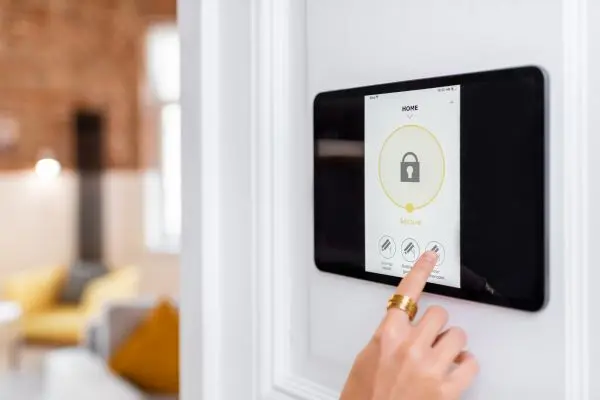
Security used to mean a camera in the corner and a monitor in a closet nobody checked. Today it can be part of how your whole home works. Smart home security integration brings cameras, video doorbells, and monitoring into your broader system, so protecting your home and living in it stop being two separate things. The payoff is both real security and the quieter benefit of peace of mind.
Here is how integrated security fits into a connected home and what goes into doing it right.
Security as Part of the Whole Home
Standalone cameras protect a house, but integrated security makes it a smarter one.
A camera on its own does one job. When surveillance connects with everything else in the house, it becomes far more useful. You can see who is at the door from the same panel that runs your music, get an alert on your phone while away, and have lights respond when a camera senses motion at night. The pieces stop working in isolation and start supporting each other.
That is the idea behind integrated surveillance systems: not just recording footage, but weaving security into the way your home already works.
Cameras, Doorbells, and Monitoring Together
The core of home security is seeing what is happening, inside and out.
A complete setup usually combines a few elements that each cover a different need:
- Cameras positioned to watch entry points and main areas
- Video doorbells that show who is at the door
- Recorded footage you can review when something matters
- Live views you can check from anywhere
Video doorbells are often where people start, since seeing and speaking to whoever is at the door solves an everyday problem. Brands like Ring have made that experience familiar, and it fits neatly into a larger system rather than living in its own separate app.
Remote Viewing and Alerts
The value of modern security is that it reaches you wherever you are.
With integrated security, your cameras and doorbells are available from your phone or a home panel, not tied to a screen in one room. You can look in on the house from work, check a delivery, or see what set off a motion alert from wherever you are. Notifications let you know when something needs attention rather than requiring you to watch a feed.
This is where reliable coverage and a steady network matter, since remote access depends entirely on the connection carrying it. A well-built system keeps those views available when you need them.
Coordinating With Lighting and Shades
Security gets smarter when it works alongside everything else you run.
One of the most useful tricks of an integrated system is making a home look occupied when it is not. Tied into home automation alongside lighting control and motorized shades, the home can shift lights and shades on a schedule while you are away, giving it a lived-in appearance rather than an obviously empty one. Cameras can also trigger lights when they sense motion after dark, adding visibility around the property.
This coordination turns separate systems into a security approach greater than the sum of its parts, with no one managing it by hand.
Where Integrated Surveillance Ends and Alarm Services Begin
It helps to be clear about what integrated surveillance does and does not cover.
Integrated surveillance handles cameras, video doorbells, recording, remote viewing, and coordination with your smart home. It is about visibility and awareness, giving you eyes on your property and control from anywhere.
Licensed alarm monitoring, where a monitoring center responds to alarms and dispatches authorities, is a separate, specialized service handled by licensed alarm providers, not by surveillance integration. Understanding this boundary keeps expectations clear: integrated surveillance strengthens your everyday awareness, while licensed monitoring is a distinct offering with its own requirements. A professional can help you see where one ends and the other begins.
Camera Selection and Placement
Good coverage depends on the right cameras in the right spots.
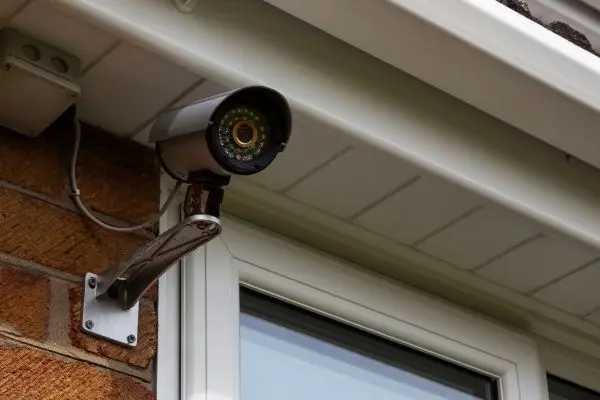
The right camera varies by spot. One watching a wide driveway has different needs than one covering a single entry point, and lighting conditions, distances, and what each camera must capture all shape the choice. Thoughtful placement is what eliminates blind spots, since a camera pointed at the wrong angle leaves a gap no matter how good it is.
Placement also balances coverage with privacy, watching the areas that matter, such as entrances and the perimeter, while respecting the spaces where cameras do not belong. Getting this balance right takes deliberate planning, not guesswork.
Recording, Storage, and Privacy
How footage is captured and kept is as important as the cameras themselves.
Recorded footage is what makes cameras useful after the fact, letting you review what happened when something comes up. Systems store footage in different ways, and the right approach depends on how many cameras you have and how long you want recordings available. A professional can help you weigh the options that fit your home.
Privacy deserves real attention too. A well-designed system keeps access controlled, so your footage stays yours. Thinking through who can view the cameras and how the system is secured is part of building something you can trust, not an afterthought.
Why Professional Design Matters
Reliable security that is easy to live with does not happen by accident.
Consumer security gear promises simple setup, but piecing together cameras, doorbells, and controls from different makers tends to leave gaps: coverage that misses spots, separate apps that do not cooperate, and footage that is hard to reach when it counts. A professionally designed system plans coverage around your property and ties it all into one experience.
Our design and engineering services map out the whole setup, from camera placement and coverage to how it joins your broader system, so the result is dependable and simple to use every day. The security fades into the background and just works, which is exactly what you want from it.
AudioTec Designs has built integrated security systems since 1989. We plan coverage around your property, tie cameras and doorbells into your broader system, and keep it dependable so you can check in with confidence.
Contact us to talk about securing your place. We will study your property, learn how you want to keep watch over it, and shape a system to match.
Frequently Asked Questions
What is smart home security integration?
Smart home security integration brings cameras, video doorbells, and monitoring into your broader smart home rather than leaving them as separate devices. You view and control everything from one place, and security can coordinate with systems like lighting and shades for a more complete, easy-to-use approach.
Can I view my cameras when I am away from home?
Yes. Integrated security lets you check your cameras and video doorbells from your phone or a home panel, wherever you are. You can look in on the property, see who is at the door, or respond to a motion alert remotely. Reliable performance depends on a steady network carrying those views.
Does this include alarm monitoring with a response service?
Not directly. Integrated surveillance covers cameras, doorbells, recording, and remote viewing. Licensed alarm monitoring, where a center responds to alarms and dispatches authorities, is a separate specialized service handled by licensed providers. We can help you understand where surveillance ends and monitoring begins.
How are cameras chosen and placed?
Every location asks for a different kind of camera, and placement is planned to cover entry points and main areas without blind spots. Lighting, distances, and what each camera needs to capture all factor in. Thoughtful placement also balances strong coverage with respect for privacy around your home.
How is my camera footage kept private?
A well-designed system keeps access controlled so your footage stays yours. Thinking through who can view the cameras and how the system is secured is part of building something trustworthy. We plan these details into the system rather than leaving privacy as an afterthought.